

Defining Sustainable Fashion
Sustainable fashion refers to a movement within the clothing industry that seeks to create a system that is environmentally friendly and socially responsible. This approach not only aims to reduce the ecological impact of fashion production and consumption but also promotes ethical labor practices and sustainable materials. By focusing on the lifecycle of garments, sustainable fashion encourages the adoption of eco-friendly materials such as organic cotton, hemp, and recycled fabrics, which minimize harm to the planet.
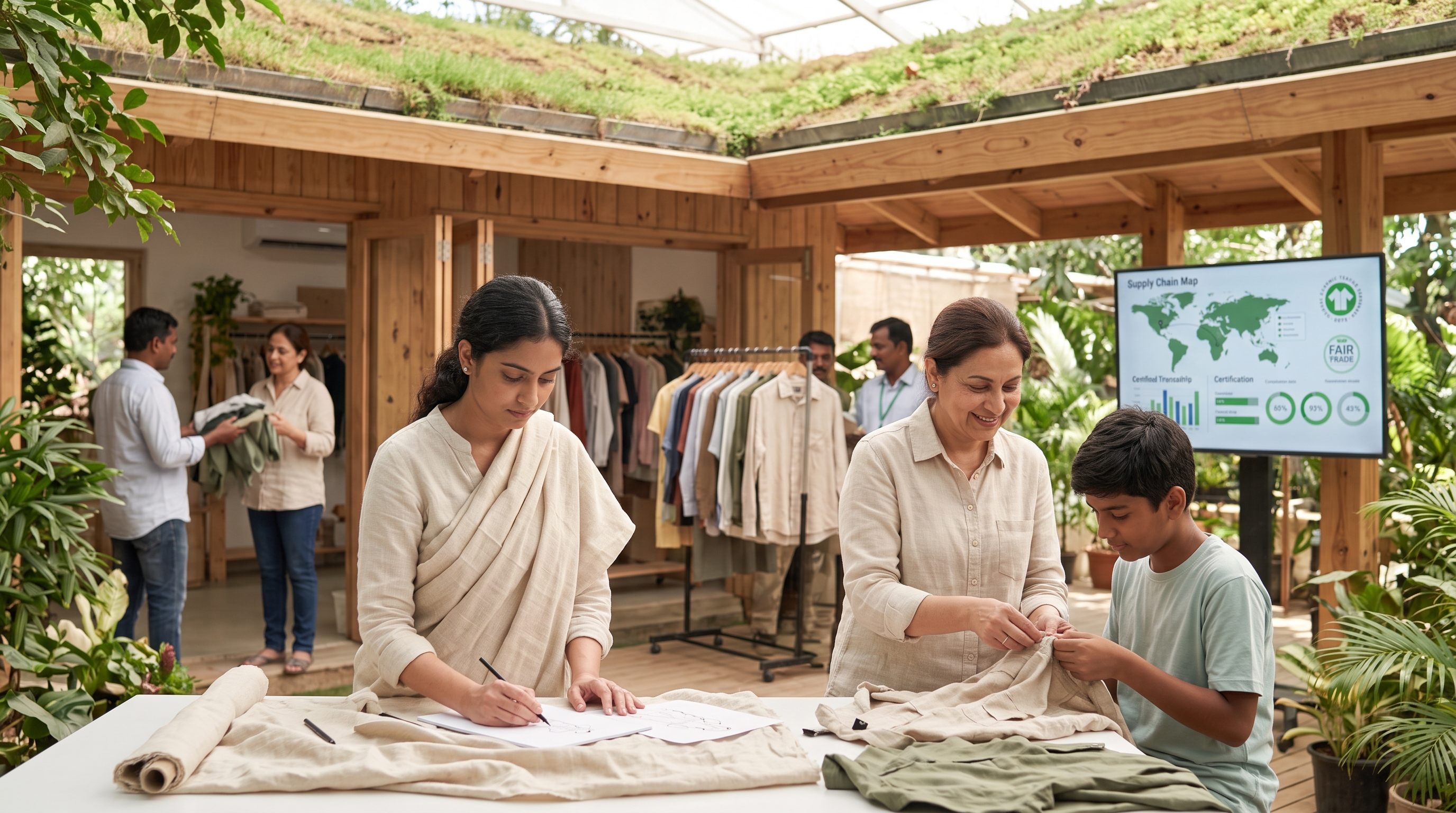
At the heart of sustainable fashion is the principle of minimizing waste. This can be achieved through various innovative practices such as upcycling, which involves converting discarded materials into new products. Another key aspect is transparency within supply chains, allowing consumers to make informed choices about where their clothing comes from and the conditions in which it was made.
The significance of addressing these issues is profound, given the fashion industry’s reputation as one of the most polluting sectors globally. Sustainable fashion aims to challenge the fast fashion model that prioritizes rapid production and low costs at the expense of the environment and workers’ rights. As such, it advocates for a shift in consumer behavior towards more mindful purchasing decisions, highlighting the importance of investing in quality over quantity.
In essence, sustainable fashion is about creating a more equitable and environmentally sustainable clothing industry. It brings to light the interconnectedness of social and environmental issues, emphasizing that the choices we make as consumers can have far-reaching implications on the global stage. By embracing the principles of sustainable fashion, individuals, brands, and society as a whole can contribute to a healthier planet and a just economy.
The Environmental Impact of Fast Fashion
Fast fashion is a term that refers to the rapid production of inexpensive clothing, designed to meet the latest trends and consumer demands. This business model, while profitable, has devastating consequences on the environment. The production processes involved in fast fashion contribute significantly to pollution, waste, and depletion of natural resources, creating an urgent need for a shift towards more sustainable alternatives.
One of the primary concerns associated with fast fashion is its carbon footprint. The production of garments involves the use of fossil fuels, which release substantial amounts of carbon dioxide into the atmosphere. In fact, the fashion industry alone is responsible for around 10% of global carbon emissions, contributing to climate change and its associated impacts. Additionally, textile production often requires toxic chemicals, which can seep into the soil and waterways, contaminating local ecosystems and harming wildlife.
Moreover, the fast nature of this fashion model leads to enormous waste. Consumers are encouraged to purchase clothing items that are quickly discarded after a few uses. It is estimated that roughly 92 million tons of textile waste is created each year, much of which ends up in landfills. These discarded garments can take up to 200 years to decompose, during which time they release greenhouse gases and further contribute to environmental degradation.
Fast fashion also exacerbates resource depletion. The demand for cheap clothing drives the extensive use of water and raw materials. For instance, the production of a single cotton shirt can require approximately 2,700 liters of water, a staggering amount given the global water scarcity in many regions. As a result, the fast fashion industry not only threatens biodiversity but also jeopardizes water systems that communities rely on for sustenance.
The environmental impact of fast fashion is profound, affecting various facets of our planet’s ecosystem. Addressing these issues is crucial, and a collective shift towards sustainable fashion practices is necessary to mitigate these adverse effects and ensure a healthier planet for future generations.
Key Principles of Sustainable Fashion
Sustainable fashion advocates for a paradigm shift in the way garments are produced, consumed, and disposed of, emphasizing an eco-conscious approach to the entire lifecycle of clothing. At its core, sustainable fashion encompasses several foundational principles that guide ethical practices, ensuring minimal impact on the environment while fostering social responsibility.
One crucial principle is ethical production. This aspect of sustainable fashion involves ensuring fair working conditions, equitable pay, and safe environments for workers in the textile and apparel industries. Many brands are now emphasizing transparency, providing consumers with insights into their supply chains and production methods. This commitment to ethical production is exemplified by companies like Patagonia, which prioritizes fair labor practices and invests in community-driven programs.
Longevity is another pivotal element of sustainable fashion. Instead of promoting a throwaway culture, this principle encourages consumers to invest in high-quality pieces that are durable and timeless. The goal is to reduce the frequency of purchases and thereby minimize waste. For example, brands like Everlane focus on creating versatile wardrobe staples that can withstand changing fashion trends, highlighting the importance of investing in sustainable attire.
Responsible consumption plays a significant role in sustainable fashion as well. This principle advocates for mindful purchasing decisions, urging consumers to consider their buying habits and the environmental implications of their choices. Embracing second-hand shopping and swapping initiatives can also align with responsible consumption, as seen in various platforms that facilitate the exchange and resale of pre-owned fashion items.
In conclusion, the key principles of sustainable fashion revolve around ethical production, longevity of garments, and responsible consumption. By integrating these values, consumers and brands alike can contribute to a more sustainable future in the fashion industry, fostering positive change that extends beyond individual choices to encompass broader environmental and social considerations.
Materials Used in Sustainable Fashion
The fashion industry has increasingly recognized the importance of sustainability, prompting a shift towards utilizing environmentally friendly materials. Among the various options available today, organic cotton stands out as a widely utilized sustainable fabric. Unlike conventional cotton, organic cotton is grown without the use of synthetic pesticides or fertilizers, which not only reduces chemical runoff but also minimizes the impact on local ecosystems and farmers’ health.
Another prominent sustainable material is Tencel, a fiber made from sustainably sourced wood pulp, primarily from eucalyptus trees. Tencel is produced in a closed-loop process that recycles water and solvents, mitigating environmental harm. The fabric is known for its softness and breathability, making it a popular choice for clothing that requires both comfort and sustainability. Furthermore, Tencel is biodegradable, encouraging a circular economy in fashion.
Recycled fabrics are another innovative approach to sustainable fashion. This category includes materials made from post-consumer or post-industrial waste, effectively reducing the volume of textile waste that would otherwise end up in landfills. For instance, recycled polyester is derived from plastic bottles, turning waste into valuable resources. Utilizing recycled fabrics not only conserves energy compared to virgin fabric production but also decreases demand for new raw materials.
In addition to these materials, hemp is gaining recognition for its durability and minimal resource requirements during cultivation. Hemp plants require fewer pesticides and less water than cotton, making them an eco-friendly alternative. Bamboo is another sustainable resource, known for its rapid growth and ability to thrive in diverse climates with minimal agricultural inputs.
By incorporating materials such as organic cotton, Tencel, recycled fabrics, hemp, and bamboo, the fashion industry can significantly reduce its environmental footprint. Understanding these sustainable options allows consumers to make informed choices that contribute positively to the planet.
The Role of Consumers in Sustainable Fashion
In recent years, the fashion industry has witnessed a significant shift towards sustainability, largely driven by consumer choices. As awareness grows about environmental and ethical issues associated with fashion production, consumers increasingly demand more sustainable practices. Understanding the role of consumers in sustainable fashion is essential for fostering a change that prioritizes sustainability over traditional practices.
Consumer choices play a pivotal role in shaping the fashion industry. When individuals opt to purchase from sustainable brands, they send a clear message to the market regarding their preferences. This demand encourages brands to adopt sustainable practices, enhancing the overall influence of consumer power. Sustainability in fashion encompasses various aspects, including eco-friendly materials, fair labor practices, and ethical sourcing. By selecting garments that align with these principles, consumers can contribute to a more responsible fashion landscape.
Moreover, informed decision-making is crucial in this context. It is not enough for consumers to simply desire sustainable options; they must also educate themselves about brands’ practices and the impacts of their purchases. This involves looking beyond marketing claims and verifying a brand’s commitment to sustainability through certifications, practices, and transparency. Consumers can leverage social media and digital platforms to gain insights into brands that prioritize sustainability, enabling them to make choices that align with their values.
Supporting sustainable brands signals to the fashion industry that consumers are willing to invest in quality over quantity. It encourages innovation in sustainable fashion, prompting new designers and brands to emerge with a focus on responsible garments. As the dialogue around sustainability in fashion continues to evolve, the role of consumers remains critical. By making conscious choices, consumers can help transform the fashion industry into a more sustainable model that benefits both people and the planet.
Innovations Driving Sustainable Fashion Forward
The fashion industry is undergoing a significant transformation as it embraces sustainability, supported by various technological advancements and innovative practices. Among these, 3D printing stands out as a revolutionary technology that not only enhances creativity but also significantly reduces waste. By using 3D printing, designers can create garments directly from digital files, minimizing excess materials and allowing for bespoke production tailored to individual needs. As a result, this process showcases a move towards more sustainable fashion solutions that align with a growing consumer demand for environmental responsibility.
Furthermore, the implementation of circular economy models is redefining how fashion operates. Traditional fashion is often linear, characterized by a take-make-dispose approach. In contrast, circularity focuses on designing products with their entire lifecycle in mind. This model encourages the recycling and repurposing of materials, ultimately reducing waste and promoting longevity in fashion items. Brands are beginning to adopt practices such as take-back programs and recycling initiatives to close the loop, ensuring that products are reused rather than discarded.
Another notable innovation is the integration of artificial intelligence (AI) and data analytics in the fashion supply chain. AI technologies can optimize inventory management, predict trends, and reduce overproduction, which is vital in minimizing the environmental impact of fashion. Moreover, these tools help brands make informed decisions that align with sustainable practices, leading to more responsible sourcing and production processes. In addition to AI, advancements in fabric technology, including the development of biodegradable materials, are essential in creating products that are both fashionable and environmentally friendly.
In conclusion, innovative technologies like 3D printing, circular economy models, and AI-driven solutions represent the future of sustainable fashion. These advancements not only address pressing environmental issues but also set the stage for a more responsible fashion industry that prioritizes sustainability, creativity, and consumer needs.
Challenges Facing Sustainable Fashion
The movement towards sustainable fashion is gaining traction; however, significant challenges remain for both consumers and brands as they endeavor to adopt sustainable practices. One of the most pressing obstacles is the cost associated with sustainable fashion. Often, sustainable materials and ethical production processes are more expensive compared to conventional methods. This price differential can deter consumers who may prioritize affordability over sustainability, thus limiting the market for sustainable options.
Scalability is another crucial hurdle in the realm of sustainable fashion. While many brands commit to sustainable practices, the ability to scale these practices to a larger production level poses significant challenges. For instance, finding sustainable raw materials in adequate quantities can be a daunting task, especially for larger fashion houses that cater to a broad consumer base. Additionally, the infrastructure needed to support sustainable production, including ethical labor practices and environmentally friendly manufacturing processes, is not universally available, further complicating the situation.
Consumer awareness also plays a fundamental role in the challenge faced by sustainable fashion. Many consumers remain unaware of the environmental and social impacts associated with conventional fashion, which can lead to a lack of demand for sustainable alternatives. Education and advocacy are crucial to bridging this knowledge gap. Initiatives that inform consumers about the benefits of sustainable fashion could encourage more environmentally conscious choices. However, without a strong understanding of these issues, many consumers may inadvertently continue to support brands that do not prioritize sustainability.
In conclusion, while sustainable fashion represents a forward-thinking approach to the industry, it is clear that both consumers and brands encounter notable obstacles. Addressing issues related to cost, scalability, and consumer awareness will be essential in fostering a truly sustainable fashion landscape.
Prominent Sustainable Fashion Brands
In recent years, the fashion industry has seen a notable shift towards sustainability, with various brands leading the charge by implementing innovative eco-friendly practices. These brands not only create stylish garments but also prioritize ethical standards, making informed fashion choices accessible to consumers.
One such brand is Patagonia, known for its commitment to environmental integrity. The company utilizes recycled materials for its outdoor apparel and promotes fair trade practices. Patagonia’s mission revolves around reducing environmental impact while encouraging consumers to repair rather than discard their clothing. Through initiatives like the “Worn Wear” program, they extend the lifecycle of their products, aligning with sustainable fashion principles.
Another notable example is Eileen Fisher, a pioneer in sustainable practices within the women’s fashion sector. Eileen Fisher has adopted a holistic approach to sustainability, focusing on organic materials and sustainable production processes. Their “Renew” program facilitates recycling, allowing customers to return old clothing in exchange for store credit, thus emphasizing the circular economy in fashion.
Reformation is also making an impact, especially among younger consumers, by offering trendy styles while maintaining transparency regarding their environmental footprint. The brand tracks its sustainability metrics, providing information on water usage, carbon emissions, and waste generated for each product, empowering customers to make eco-conscious choices.
Lastly, Amour Vert stands out with its commitment to keeping production local and using sustainable materials. Their focus on reducing travel emissions and supporting US jobs has made them a favorite among eco-friendly shoppers. Amour Vert’s business model also includes a tree-planting initiative for every t-shirt sold, further reinforcing the brand’s responsibility towards the planet.
These brands serve as exemplary models in the sustainable fashion space, showcasing how it is possible to create beautiful clothing without sacrificing ethical practices. By choosing brands that prioritize sustainability, consumers can contribute to a more responsible and eco-conscious fashion industry while still enjoying stylish options.
The Future of Sustainable Fashion
As the world gradually transitions towards more environmentally conscious practices, the future of sustainable fashion appears to be bright and promising. Industry experts predict a notable shift towards sustainable designs, where the principles of sustainability will significantly influence fashion trends. This evolution will likely be driven by a combination of enhanced policy frameworks, a shift in consumer behavior, and the establishment of new industry standards.
Policy developments aimed at environmental protection are expected to play a crucial role in the fashion sector’s evolution. Governments worldwide are increasingly instituting regulations focused on reducing waste and promoting eco-friendly production methods. As policies become stricter, brands in the fashion industry will be compelled to adopt sustainable practices, potentially leading to widespread use of organic materials, recycled fabrics, and efficient supply chain management. These changes might also incite innovations in fabric technology, supporting a future where fashion pieces are not only stylish but also sustainable.
Consumer behavior is anticipated to undergo a transformation as well. A growing awareness regarding the environmental impact of clothing choices has pushed many consumers to seek sustainable alternatives. As sustainability gains prominence, brands that prioritize eco-friendly initiatives may find themselves enjoying a competitive edge in the marketplace. This shift signifies an increasing demand for transparency and accountability within the industry, leading brands to communicate their sustainability practices more effectively. Moreover, larger segments of the population are likely to engage in second-hand shopping, reinforcing the significance of circular fashion.
Furthermore, the establishment of industry standards for sustainability will likely drive the future of fashion. Collaborations between fashion brands, non-profits, and governmental organizations may yield industry-wide certifications, akin to organic or fair-trade labels. Such standards would not only set benchmarks for sustainable practices but also enhance consumer trust in the fashion market.
In conclusion, the future of sustainable fashion is poised for growth through evolving policies, changing consumer preferences, and enhanced industry standards. The collective efforts of consumers, brands, and regulators will be pivotal in shaping a future where fashion embodies sustainability.