


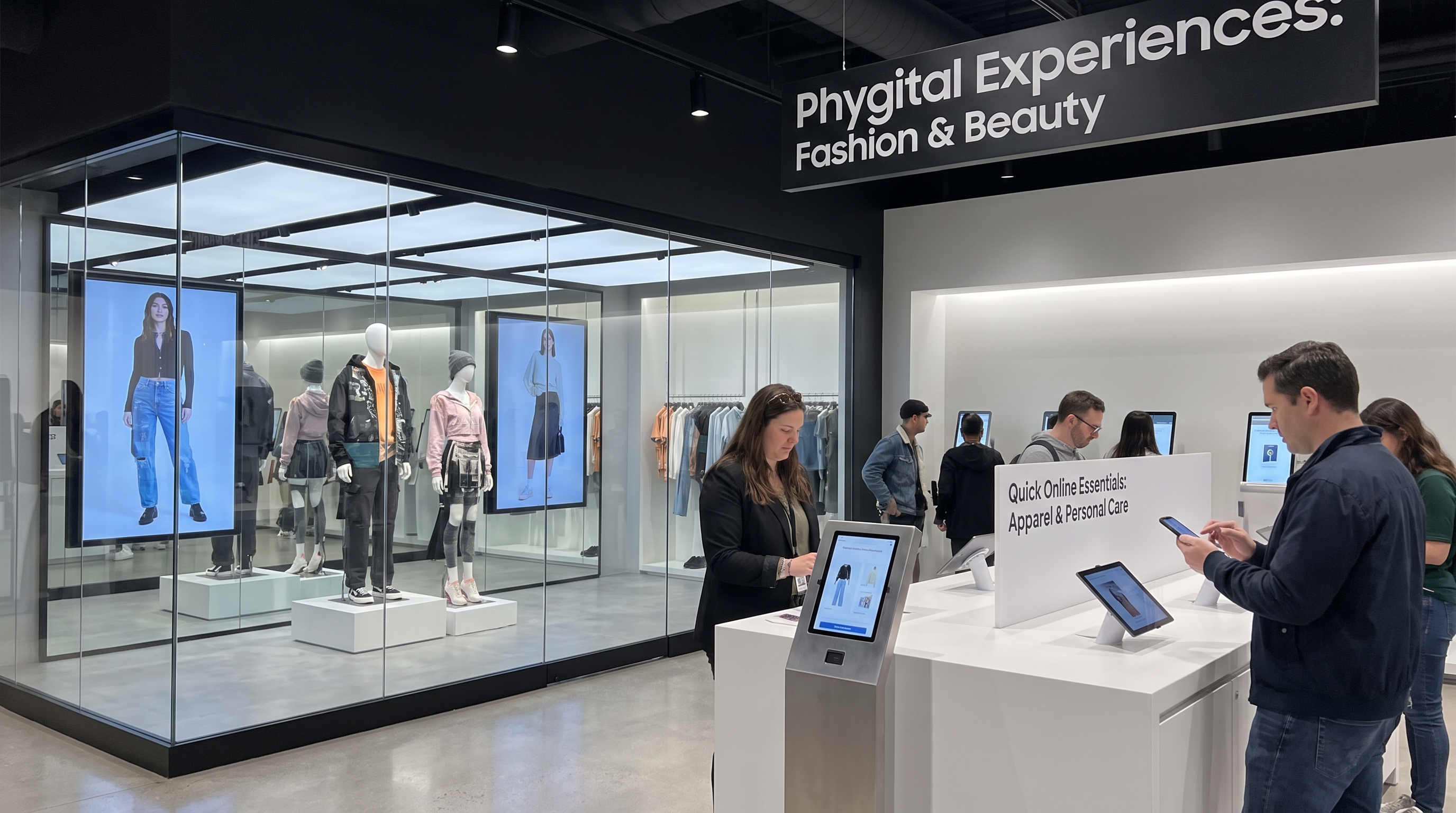
Understanding Hybrid Shopping
Hybrid shopping represents a transformative trend in the retail landscape, particularly within the fashion and beauty industries. It is characterized by the seamless integration of digital and physical shopping experiences, allowing consumers to navigate between online platforms and brick-and-mortar stores effortlessly. This approach caters to evolving consumer preferences, as shoppers increasingly seek a more personalized and engaging experience that combines the convenience of e-commerce with the tangible benefits of in-store shopping.
The emergence of hybrid shopping can be attributed to several factors, including technological advancements, changing consumer behaviors, and the desire for a more holistic shopping experience. As the world becomes increasingly digitized, consumers have developed expectations for instant access to products and information. They value the time-saving aspects of online shopping, such as the ability to compare prices, read reviews, and easily browse a wide range of products from the comfort of their homes. However, the tactile stimulation and immediate gratification of in-store shopping remain appealing, especially in fashion and beauty, where customers often prefer to see and feel products before making a purchase.
Additionally, the COVID-19 pandemic has accelerated the shift towards hybrid shopping, prompting many retailers to rethink their strategies. Consumers have increasingly turned to online channels during lockdowns, but as restrictions ease, there is a notable resurgence in foot traffic to physical stores. Retailers are responding by enhancing their brick-and-mortar experiences, incorporating digital tools such as augmented reality mirrors and mobile payment options, thereby creating a more integrated shopping environment. The hybrid shopping model not only meets current consumer demands but also fosters brand loyalty by offering tailored experiences that resonate with today’s savvy shoppers.
The Concept of Phygital Experiences
The term “phygital” emerges from a blend of physical and digital, representing a new paradigm in the retail landscape, especially within the fashion and beauty sectors. This concept encapsulates the seamless integration of online and offline shopping experiences, effectively enhancing customer engagement and satisfaction. As consumers increasingly demand more convenient and personalized shopping options, the need for phygital experiences has become paramount.
Phygital experiences allow consumers to engage with brands across various touchpoints, merging the tactile pleasures of in-store shopping with the conveniences of online browsing. For instance, a customer can visit a fashion store, try on garments, and then use an app to order the same items online for home delivery. This not only saves time but also provides additional options for the shopper, driving incremental sales for retailers.
In the realm of beauty, phygital experiences are transforming how consumers interact with products. Virtual try-ons using augmented reality allow customers to experiment with different looks from the comfort of their homes while still offering the option to purchase products in-store. This integration of technology into the shopping journey does not replace the physical store experience, but rather complements it, enriching the overall engagement between the customers and the brand.
Furthermore, the rise of social media platforms has amplified the importance of phygital retail strategies. Brands are utilizing these platforms to establish a digital presence while also facilitating direct purchases through features such as shoppable posts. This innovative approach fulfills the contemporary consumer’s desire for immediacy in their shopping experiences, thus bridging the gap between physical and digital realms.
As the fashion industry continues to evolve, embracing phygital experiences will be crucial for brands aiming to stay competitive and relevant. By recognizing the significance of this approach, retailers can create more dynamic, engaging touchpoints that resonate with their audiences, ultimately driving loyalty and enhancing consumer satisfaction in an increasingly interconnected market.
Consumer Demand for Hybrid Experiences
The landscape of retail has been significantly transformed by shifting consumer preferences, particularly in the realms of fashion and beauty. An increasing number of shoppers are gravitating towards hybrid shopping experiences, which seamlessly blend online convenience with the tactile advantages of in-store shopping. Recent surveys indicate that nearly 60% of consumers prefer a hybrid shopping model, seeking the best of both worlds.
One of the primary drivers of this trend is convenience. As lifestyles become busier, consumers are looking for ways to streamline their shopping experiences. Online shopping allows for quick transactions and the ability to shop at any time, while physical stores offer the instant gratification of product availability. The hybrid model facilitates a smoother transition between the two, allowing consumers to order items online and collect them in-store or try on products in person after browsing digitally.
Personalization is another significant factor influencing consumer demand for these phygital experiences. Advanced technology and data analytics enable retailers to provide tailored recommendations online, enhancing the shopping journey. A hybrid approach allows shoppers to see these personalized selections in a physical context, ultimately improving satisfaction and increasing the likelihood of purchase. The desire for experiential retail further propels this demand; consumers often seek immersive experiences that an in-person shopping environment can provide. Trend data suggests that millennials and Gen Z consumers have expressed a particular affinity for experiential shopping, combining entertainment, social interactions, and brand engagement.
As hybrid shopping experiences become more mainstream, retailers must adapt their strategies to meet these evolving expectations. Understanding the dynamics of consumer demand for hybrid experiences is vital, as this trend is not just a passing phase but rather a pivotal shift in how consumers interact with fashion and beauty brands. Engaging with customers across both online and offline platforms can enhance the overall shopping experience, ultimately positioning brands for long-term success in a rapidly changing marketplace.
Integrating Technology in Fashion Retail
The integration of technology into fashion retail is revolutionizing the way consumers interact with products, particularly through the rise of hybrid shopping experiences. One significant advancement is augmented reality (AR), which allows customers to visualize clothing and accessories in a real-world context without the need to physically try them on. This technology enhances the online shopping experience by enabling users to see how garments look on them via a digital overlay, bridging the gap between physical and virtual shopping experiences.
In addition to AR, the emergence of virtual fitting rooms represents another technological innovation reshaping the fashion industry. These fitting rooms use 3D modeling to simulate how clothing fits a customer’s unique body shape. By combining sizing algorithms and user preferences, virtual fitting rooms provide a personalized shopping experience, ultimately reducing return rates and increasing customer satisfaction. This technology is particularly beneficial for online shoppers who may hesitate to purchase items without trying them on first.
Furthermore, mobile applications play a crucial role in enhancing both in-store and online interactions in the fashion sector. Many retailers are developing apps that integrate AR features, allowing customers to scan products in-store to receive additional information, such as styling tips or fabric care instructions. These applications can streamline the shopping process, transforming it into a more interactive and educational experience. Moreover, they can facilitate seamless online purchasing directly from the store, thus combining the benefits of both shopping environments into one fluid experience.
As the fashion industry continues to evolve, the adoption of these innovative technologies represents a significant trend toward creating phygital experiences—an alliance of physical and digital worlds. Retailers who embrace these advancements not only appeal to tech-savvy consumers but also position themselves at the forefront of an increasingly competitive market.
Case Studies: Brands Leading the Way
In recent years, the fashion industry has witnessed a significant transformation through the integration of phygital experiences. Several brands have successfully harnessed the concept of hybrid shopping, which blends both physical and digital shopping environments, creating a seamless experience for customers. This section will present notable case studies of such brands that have effectively combined innovative technologies with traditional retail strategies.
One exemplary case is that of Gucci, which has embraced augmented reality (AR) to enhance the customer shopping journey. By collaborating with various technology firms, Gucci has developed an app that allows customers to virtually try on shoes through their mobile devices. This innovative approach not only attracts savvy shoppers but also encourages them to engage in-store, using their digital experiences as a bridge to physical purchases.
Another brand that stands out is Burberry. They have effectively integrated social media into their hybrid shopping approach. By creating interactive experiences on platforms like Instagram and Snapchat, Burberry invites users to explore its collections through unique filters and campaigns. Customers can transition from online discovery to in-store experiences effortlessly, driving increased foot traffic and conversion rates.
Zara also exemplifies effective use of hybrid shopping. Their “Click and Collect” service allows customers to buy items online and pick them up at local stores. This fusion of digital convenience with physical retail enhances customer satisfaction and streamlines the shopping process, thus making Zara a leading brand in the hybrid shopping landscape.
These case studies illustrate the diverse methods fashion brands are employing to create phygital experiences. By merging innovative digital interactions with traditional shopping, brands not only meet the evolving demands of modern consumers but also enhance their overall market presence. As hybrid shopping continues to gain traction, it will be compelling to observe how these strategies influence future trends in the fashion and beauty industries.
Challenges and Considerations
The advent of hybrid shopping models, which integrate both physical and digital retail experiences, presents a unique set of challenges for retailers in the fashion and beauty industries. One significant hurdle lies in the management of inventory across both online and offline channels. Retailers must ensure that stock levels are well coordinated, preventing situations where in-store items are unavailable online and vice versa. This balance is vital to maintain customer satisfaction and trust, especially in a landscape where consumers expect seamless transactions across various platforms.
Another major consideration is logistics. Efficiently managing the supply chain to support hybrid shopping requires advanced planning and optimization of shipping processes. Retailers must establish reliable systems for tracking inventory in real-time, which can be quite complex with the fluctuating demands of both physical stores and e-commerce. This complexity is often compounded by the need to provide customers with various delivery options, including in-store pickups, direct shipping from warehouses, or even dropshipping capabilities.
Moreover, ensuring a consistent brand experience across all platforms is crucial. Customers expect uniformity in their interactions with a brand, regardless of whether they are shopping online or in-store. This expectation necessitates the development of comprehensive marketing strategies that reflect the brand’s values and aesthetics in all channels. Discrepancies in messaging or customer service quality can lead to confusion and may diminish the overall shopping experience.
As retailers navigate these challenges, they must prioritize the implementation of cohesive strategies that support hybrid shopping initiatives. This includes investing in technology that enhances inventory management, improving logistical operations, and fostering an omnichannel marketing approach. Addressing these considerations will ultimately help retailers in the fashion and beauty sectors thrive in this evolving marketplace.
The Future of Phygital Fashion
The fashion industry is on the verge of a transformation, driven by the convergence of physical and digital retail known as phygital shopping. As consumer preferences evolve, predictions for the future of hybrid shopping indicate a more integrated experience, where technology plays a pivotal role. A significant factor in this evolution will be the adoption of advanced technologies such as augmented reality (AR) and virtual reality (VR). These tools will enhance the shopping experience by allowing customers to visualize clothing items in a more interactive and immersive manner. For instance, AR applications may enable shoppers to see how different outfits would look on them without trying them on physically, which can effectively merge the digital and physical realms of shopping.
Moreover, the rise of social commerce is expected to further bridge this gap. Platforms that seamlessly blend social networking with shopping capabilities allow consumers to make purchases while engaging with content from influencers and brands. This trend highlights the importance of community in the fashion sector, as customers increasingly seek validation from their peers. The future of phygital fashion will likely see brands enhancing their digital presence through personalized experiences and curated content, thus catering to the individuality of each consumer.
Another aspect influencing the hybrid shopping landscape is the growing expectation for sustainability and ethical practices. Fashion consumers are becoming more aware of the environmental impact of their purchases, making it essential for brands to adopt eco-friendly practices both online and in-store. This focus on sustainability may drive innovations in how products are presented, using technology to showcase the lifecycle of items and responsible sourcing.
In conclusion, the forecasts for hybrid shopping within the fashion and beauty industries suggest a dynamic shift towards greater technological integration, heightened consumer engagement, and increased accountability in sustainability practices. As brands navigate this evolving landscape, understanding the convergence of digital and physical experiences will be crucial for success.
Building Customer Relationships in a Hybrid World
In today’s competitive marketplace, especially in the realms of fashion and beauty, building and maintaining strong customer relationships has become crucial. The rise of hybrid shopping—a blend of digital and physical experiences—necessitates that businesses adapt their customer relationship management (CRM) strategies to effectively engage consumers across multiple platforms.
To nurture customer relationships in this hybrid environment, companies should leverage data analytics to gather insights into consumer preferences and behaviors. This knowledge enables businesses to personalize marketing efforts, ensuring that messages resonate with individual customers. Utilizing CRM systems that integrate both online and offline customer interactions allows retailers to create a seamless experience that enhances customer satisfaction.
Moreover, engaging customers through social media platforms can extend relationships beyond transactions. By creating a vibrant online community, fashion and beauty brands can encourage dialogue, foster loyalty, and promote brand advocacy. Engaging content, such as behind-the-scenes looks or user-generated materials, can further enhance this engagement, making customers feel valued and included in the brand narrative.
In addition to digital strategies, businesses should also focus on the physical experience they provide. Hosting in-store events, offering personalized service, and maintaining a welcoming atmosphere contribute to customer loyalty. Ensuring staff are well-trained to handle both online and in-store queries is critical, allowing for a consistent customer experience across all touchpoints.
Furthermore, collecting feedback through surveys and direct communication can guide improvements in customer relations. Understanding customer sentiments and adapting based on their input can solidify brand loyalty and clarify what shoppers expect from their hybrid shopping experiences.
Ultimately, strategies that effectively integrate CRM in a hybrid shopping context can benefit fashion and beauty businesses significantly, leading to long-term relationships with customers who feel connected to the brand across both realms. The objective should be to create an ecosystem where consumers not only shop but thrive in their interactions with the brand, encouraging repeat visits and sustained engagement.
Conclusion: Embracing Hybrid Shopping
In recent years, the rise of hybrid shopping has significantly transformed the fashion industry, blending the physical and digital realms into what is now commonly referred to as phygital experiences. Consumers increasingly favor shopping that integrates both in-person and online elements, leading retailers to adapt their strategies to meet this changing landscape. The notion of hybrid shopping represents not just a trend but a fundamental shift towards a more versatile and personalized shopping experience.
The advantages of hybrid shopping in the context of fashion and beauty are manifold. It allows customers to engage with brands in various ways, enhancing their purchasing journey. For instance, the ability to try on clothing in-store while simultaneously accessing information about online sales creates a seamless experience that caters to diverse consumer preferences. This is particularly appealing to the modern shopper who appreciates the convenience of online shopping combined with the tactile satisfaction of in-store experiences.
Retailers who embrace this model can leverage technology to enhance customer interactions. Innovative solutions, such as augmented reality apps that allow users to visualize clothing items virtually, exemplify how technology can enrich the fashion shopping experience. Additionally, integrating social media into the shopping journey further strengthens brand connection and encourages impulsive purchases, significantly benefiting the fashion sector.
As we conclude this exploration of hybrid shopping, it is essential for retailers to recognize its growing relevance in the fashion and beauty industries. Embracing phygital experiences not only aligns with current consumer expectations but also fosters long-term brand loyalty. Retailers must prioritize this evolution in their business strategies to remain competitive in an increasingly integrated marketplace. The successful integration of hybrid shopping practices offers a promising pathway for sustainable growth in the dynamic world of fashion.