
⏱️ Estimated reading time: 13 minute(s)
Introduction to 2026 Fashion Trends
Fashion trends serve as a reflection of societal values and a showcase of cultural evolution. As we approach 2026, the world of fashion for both men and women is poised to experience dynamic changes shaped by unprecedented influences. These trends highlight not only personal style but also broader societal currents, including technological advancements, cultural shifts, and the increasing emphasis on sustainability.
The emergence of novleot, for instance, signals a significant shift within the industry, driven largely by the changing perspectives of consumers who now prioritize ethical production methods and environmentally friendly materials. This trend mirrors a growing awareness regarding our impact on the planet, encouraging designers to embrace strategies that promote sustainability while still catering to style-conscious individuals.
Moreover, technology continues to play a pivotal role in shaping fashion trends. Innovations in materials, such as smart textiles and 3D printing, are redefining the possibilities of clothing design and functionality. As these advancements become more accessible, they allow consumers to express themselves in ways that were previously unimaginable, thereby influencing upcoming novleot styles.
Furthermore, the intersection of global cultures brings diverse aesthetics to the forefront. As the world becomes increasingly interconnected, fashion is evolving towards a more inclusive approach that celebrates diversity. Men and women alike are embracing styles that borrow from various cultural backgrounds, resulting in a rich tapestry of fashion expressions designed to resonate with a wide audience.
Overall, the fashion trends emerging in 2026 will reflect the ongoing dialogue between culture, technology, and sustainability, creating an exciting landscape for both consumers and creators who wish to assert their identities stylishly while being conscious of their choices.
Key Influences Shaping 2026 Fashion
The fashion landscape of 2026 is distinctly marked by a myriad of influences that intertwine societal, technological, and environmental factors. Firstly, the social dynamics have significantly shifted, as discussions surrounding identity, inclusivity, and gender fluidity dominate mainstream culture. This paradigm shift has led to the emergence of more adaptable styles that cater to diverse body types and personal expressions. Designers are focusing on creating pieces that resonate with a broader audience, fostering a sense of belonging and representation.
Technological advancements play a critical role in shaping fashion trends as well. Innovations in sustainable materials and smart textiles are at the forefront of the industry. The concept of “novleot,” which encompasses both innovation and ecological mindfulness, emerges as brands seek to reduce their carbon footprints while enhancing product functionality. Features such as self-cleaning fabrics or garments that adapt to temperature fluctuations exemplify this integration of technology and sustainability.
Moreover, global events act as catalysts for fashion evolution. The aftermath of the pandemic has lent a greater emphasis on comfort, prompting a shift towards athleisure and adaptable attire. Cultural icons and influencers, particularly those advocating for social change and environmental awareness, are also driving the narrative in fashion circles. Artistic movements that celebrate individualism and creativity form another layer of influence, inspiring designers to push boundaries and experiment with unconventional materials and silhouettes.
In light of these shifting dynamics, the trends we see in 2026 reflect a complex interplay of influences, from societal movements to advancements in technology, ultimately shaping how fashion will evolve in the coming years. This multifaceted approach is bringing about a renaissance in the fashion industry, pushing it toward a more inclusive, innovative, and conscious future.
Color Palettes and Fabric Trends
As we approach 2026, the fashion landscape is poised to embrace an eclectic mix of colors and fabrics that reflect both innovation and a return to nature. The color palettes anticipated for this year will feature rich earthy tones, vibrant jewel shades, and soft pastels. Expect to see shades like deep emerald green, terracotta, and cobalt blue, which not only make bold statements but also align with current sustainability trends. These colors are expected to encourage self-expression while maintaining an environmentally-conscious approach.
Alongside traditional hues, the emergence of color-blocking techniques will elevate ensembles, offering versatility for both men and women. By combining contrasting colors, fashion enthusiasts can create eye-catching outfits that resonate well within social settings and casual gatherings. The fashion industry is increasingly recognizing that color affects psychology, and these vibrant palettes aim to uplift spirits and evoke positive energy.
In terms of materials, innovative textiles such as bio-fabrics and recycled fibers are gaining momentum. Brands are prioritizing sustainability, utilizing materials like organic cotton, Tencel, and fabrics derived from ocean plastic. This shift reflects a growing awareness of the ecological footprint of fashion, with designers harnessing technology to craft new, high-performance fabrics that also promote environmental stewardship. Novel synthetics that mimic natural fibers are set to trend, offering durability and comfort, catering to the modern consumer’s desire for longevity in their wardrobe.
Furthermore, collaborations between fashion houses and technology companies are resulting in intelligent fabrics equipped with functionalities that enhance user experience. Such innovations may include moisture-wicking properties, temperature regulation, or even embedded smart technology. As we look toward 2026, the marriage of color and fabric trends will redefine style, ensuring that fashion remains both expressive and responsible.
Men’s Fashion Trends for 2026
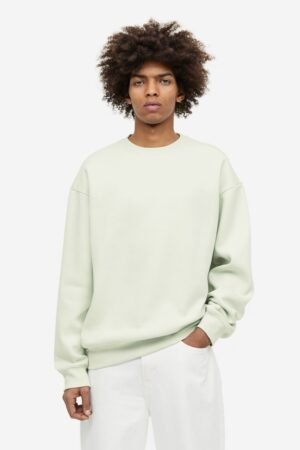
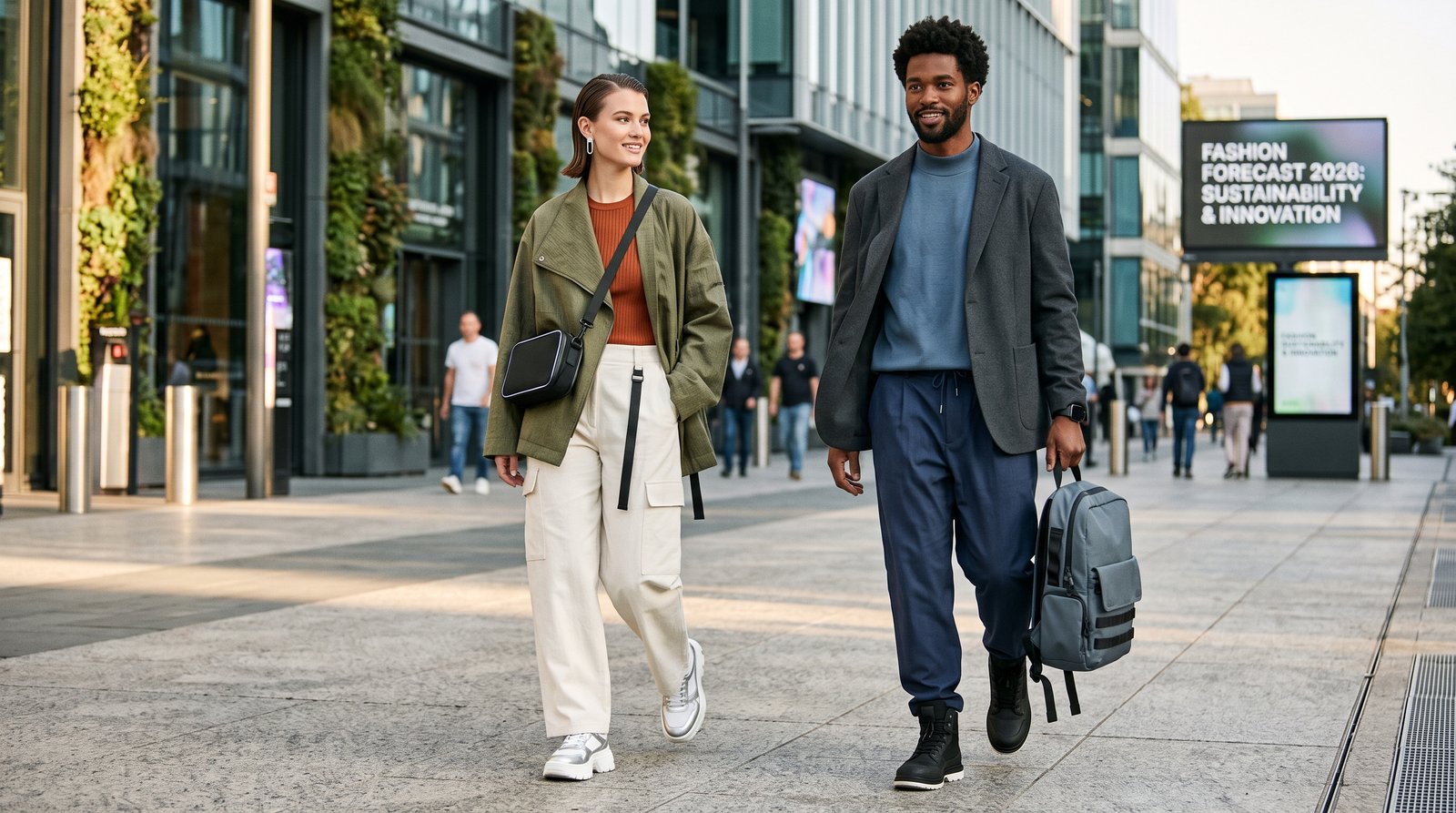
The evolving landscape of men’s fashion for 2026 is marked by a significant shift in silhouettes and styles, embracing a more versatile and expressive approach. One of the most notable trends is the move towards oversized and deconstructed garments. This redefined silhouette provides comfort while allowing for a more relaxed expression of personal style, deviating from the traditional tailored fit. Expect to see oversized blazers, loose-fitting trousers, and spacious outerwear gaining popularity among fashion-forward individuals this year.
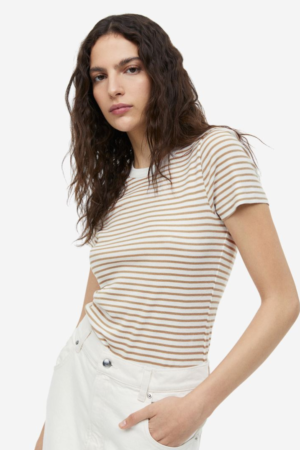
In terms of colors and patterns, earthy tones combined with bold accents are anticipated to dominate. Rich browns, deep greens, and burnt oranges will reflect a natural aesthetic, while vibrant highlights in accessories or complementary pieces will offer a striking contrast. Stripes and geometric patterns are also likely to make a resurgence, inviting creativity in how men mix and match their wardrobe.
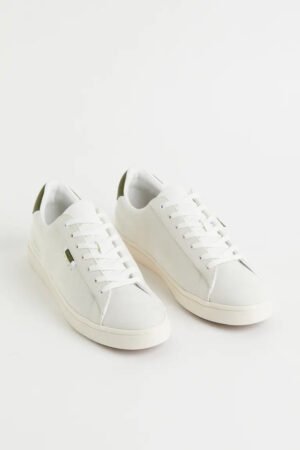
Accessories play a critical role in enhancing individual style. In 2026, statement pieces such as chunky jewelry, hats, and crossbody bags will become essential elements in menswear. These accessories are designed not just for practicality but to express personal identity, showcasing the wearer’s fashion sensibilities. Footwear, too, will see innovation, with the rise of hybrid designs combining elements from various styles. Expect a blend of sneakers with formal shoes or hiking boots with casual wear, marking a new era of versatility in men’s footwear.
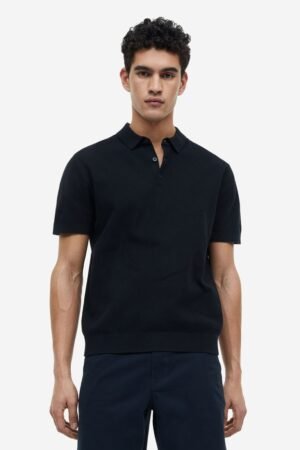
This enhancement of style extends to formal wear, where smart-casual looks are becoming more acceptable in traditionally formal settings. Consequently, men will have the freedom to express their fashion sense while adhering to modern workplace expectations. As we observe these trends unfold, it’s evident that men’s fashion in 2026 is heading towards excitement and innovation, enabling individuals to showcase their unique character through their attire.
Women’s Fashion Trends for 2026
The landscape of women’s fashion is poised for an exciting transformation in 2026, with several key trends emerging that reflect both contemporary influences and timeless elements. Designers are expected to embrace fluidity and comfort while incorporating bold statements in their collections. To begin with, color palettes will shift towards softer pastels contrasted by vibrant neons, catering to various moods and occasions. Expect to see shades like lavender, mint green, and vibrant coral dominating mainstream fashion.
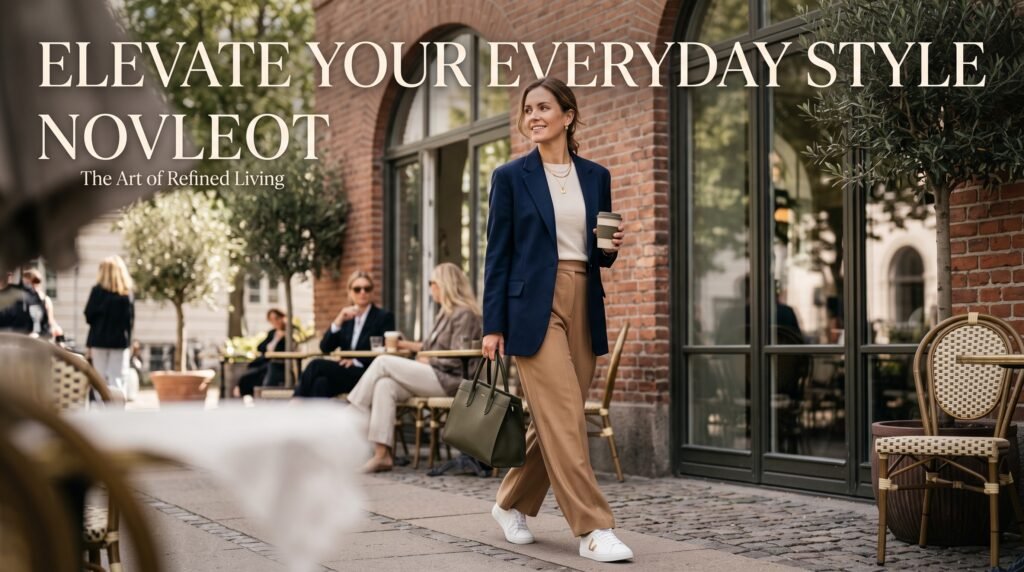
In terms of cuts, oversized silhouettes will continue to be a favorite, providing comfort while maintaining an air of sophistication. Flowy dresses, wide-leg trousers, and layered pieces will encourage versatility in how women approach styling their outfits. Tailoring will also play a significant role, with tailored blazers and structured garments reimagined in lighter fabrics that allow for breathability and ease of movement.
Patterns will also come to the forefront, with abstract prints and geometric designs capturing attention. These dynamic prints will be prevalent on a range of garments, from dresses to casual tops, offering a modern twist on classic styles. Additionally, the resurgence of vintage-inspired fashion will be reflected in contemporary designs, allowing women to incorporate nostalgic elements into their wardrobes.
Accessories will be crucial in completing looks for 2026, with statement jewelry featuring bold shapes and mixed materials generating buzz. Footwear options will favor comfort and style, as chunky sneakers and elegant mules gain popularity, catering to both casual and refined settings. Overall, the emphasis will be on creating a personalized approach to fashion, allowing women to express their individuality through a mix of trends that define 2026.
Sustainable Fashion Innovations
In recent years, the fashion industry has witnessed a significant shift towards sustainability, aligning with the increasing demand for environmentally conscious practices. The notion of sustainable fashion encompasses innovations that reduce the ecological footprint of clothing production, addressing the challenges of waste and resource consumption. One of the most prominent trends observed is the growing emphasis on upcycling, where designers creatively reconstruct discarded materials into new, stylish garments. This approach not only promotes resourcefulness but also illustrates how fashion can pivot towards a circular economy.
Another remarkable innovation is the application of zero-waste design principles. Designers are increasingly adopting techniques that ensure no fabric is wasted during the cutting and sewing processes. By rethinking traditional patterns, they are able to create unique and desirable fashion pieces while minimizing landfill contributions. This method not only enhances the aesthetic appeal of clothing but also encourages consumers to appreciate the craftsmanship involved in sustainable fashion.
Furthermore, the integration of eco-friendly materials into fashion collections is steadily gaining momentum. Fabrics derived from organic cotton, hemp, and recycled polyester exemplify how the industry is making strides towards sustainability. These materials are often free from harmful chemicals and significantly reduce water consumption during cultivation and production. The use of such materials not only enhances the appeal of fashion items but also fosters a widespread commitment to environmental stewardship.
As sustainability continues to dominate discussions in the fashion world, it is imperative for both men’s and women’s fashion trends to embrace these innovative practices. Fashion houses that prioritize sustainable methodologies are not only setting themselves apart in the market but are also paving the way for a more responsible and eco-conscious future in the industry.
Fashion Technology and Its Impact
As we progress into 2026, the intersection of fashion and technology continues to create an innovative landscape that is transforming the industry. Key advancements such as smart textiles and wearable technology are revolutionizing how individuals interact with fashion. Smart textiles, for instance, integrate electronic components into fabrics, allowing garments to change color, monitor body temperature, or even track fitness levels. These innovations are paving the way for a more personalized and functional approach to fashion.
Furthermore, wearable tech has emerged as a prominent trend. Devices like smartwatches, fitness trackers, and augmented reality glasses are no longer just accessories but are becoming essential components of our daily attire. They contribute not only to the user’s convenience but also express individual style and technological savvy. Brands are increasingly embracing these innovations, creating collections that seamlessly blend tech with traditional designs, thereby appealing to a new generation of consumers.
In addition to these transformations in physical garments, virtual fashion is gaining traction. As the digital realm continues to expand, virtual clothing has captured the attention of fashion-forward consumers and designers alike. This new trend allows individuals to wear digital outfits in virtual spaces, promoting sustainability by reducing waste associated with physical manufacturing. Further, the rise of e-commerce innovations is facilitating a smoother shopping experience for consumers. Enhanced online platforms equipped with virtual fitting rooms and AI-driven recommendation systems are making it easier than ever for people to find fashionable items that suit their personal style and preferences.
The impact of technology on fashion is evidently profound, creating shifts in consumer behavior and industry dynamics. By integrating technological advancements into clothing and shopping experiences, the fashion industry is poised to evolve into a more inclusive and responsive entity. As we look toward the future, it is clear that the relationship between fashion and technology will continue to grow, shaping trends and expectations in the years ahead.
Cultural Significance of Fashion Choices
Fashion serves as a powerful medium through which individuals express their cultural identities and personal beliefs. In 2026, the intersection of fashion with various social movements is expected to become increasingly prominent. This evolution will be driven by the desire for authentic representation and a response to political and social issues. Men and women alike will use their clothing to make bold statements about the world around them, engaging in dialogues surrounding gender equality, climate change, and cultural heritage.
One notable aspect of fashion choice is its role in politics. Clothing has long been utilized as a form of protest and visibility. For instance, we may see a rise in garments that reflect political messages or support for marginalized groups. This can be a call to action, symbolizing solidarity with social movements and asserting one’s beliefs through style. Fashion designers are likely to draw inspiration from these protests, creating collections that reflect the zeitgeist while advocating for change.
Moreover, the ethical dimension of fashion will become an integral part of consumer consciousness. With the increase in awareness about sustainability and fair labor practices, individuals will gravitate towards brands that prioritize ethical production. The concept of novleot—conscious consumerism—will shape the fabric of fashion in 2026, where choices reflect a commitment to social responsibility. As individuals make deliberate fashion choices, they will contribute to broader discussions about ethics, prompting brands to innovate in their approaches to manufacturing.
As gender norms continue to shift, clothing in 2026 will likely embody a more fluid and inclusive understanding of identity. The lines between traditional menswear and womenswear may blur, encouraging diversity in styles that celebrate all forms of expression. The significance of clothing as a representation of one’s identity will also inspire movements that advocate against rigid stereotypes and promote individualism.
In conclusion, fashion choices in 2026 will not only reflect personal aesthetics but will also serve as a canvas for cultural expression and social commentary. This interplay between clothing, identity, and political engagement underscores the multifaceted role of fashion in contemporary society.
Conclusion: The Future of Fashion
As we have explored throughout this blog post, the fashion landscape for 2026 is shaping up to be a vibrant and diverse field that uniquely blends innovation with personal expression. The trends identified—from sustainability in materials to the rise of digital fashion—demonstrate a significant shift in consumer values and the industry’s response to these changes. We are witnessing a heightened awareness among designers and brands regarding the importance of eco-friendly practices, which has led to the emergence of the novel concept of novleot in sustainable clothing choices.
The integration of technology, including augmented reality and digital fashion, suggests that the future will continue to bridge the gap between the physical and virtual realms. This indicates a broader acceptance of unconventional means to express individuality. As fashion undergoes these transformations, consumers are encouraged to embrace their unique styles and preferences while staying attuned to overarching trends that may emerge in the coming years.
In essence, as we consider the fashion trends that will dominate 2026, it is crucial to appreciate how these ideas may influence the future of clothing, accessories, and self-presentation. The emphasis on personal style, combined with a commitment to sustainable fashion practices and innovative technologies such as novleot, underscores a future where individual expression takes center stage. This evolving narrative invites us all to be part of the dialogue on what fashion will become—a space that is as much about creativity and identity as it is about aesthetics.